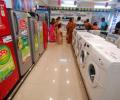
In 2020 a round of hikes in customs duty on components like compressors, motors and printed circuit boards aggravated the situation, coronavirus crisis is now leaving manufacturers with no option but to hike prices despite fall in sales.

The delay of the SE 2, billed as the cheapest iPhone and tentatively priced below Rs 40,000 in India, puts the brakes on the tech major's plans for a revival. With the supply chain at its largest manufacturer Foxconn in disarray, as it is struggling to operate in China because of the COVID-19 crisis, the postponement was inevitable.

While 100 per cent FDI is allowed in single-brand retail, if the foreign investment exceeds 51 per cent, the 30 per cent mandatory local sourcing norm kicks in.

From the rollback of customs duty on key electronic components to fast tracking delivery of goods imported from China, players are looking for incentives on several counts.
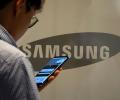
While the outbreak has forced most leading brands like Apple, Xiaomi, Oppo, Vivo, and Realme to rework their launch dates and pricing strategies, Samsung, which struggled to maintain its hold over the market last year, has taken the lead.
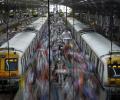
Launched by the ministry of housing and urban affairs, the ease of living index (EoLI) is aimed at providing a holistic view of the country's cities. These will be done on parameters like services provided by local bodies, effectiveness of the administration, outcomes generated through those services in terms of liveability and citizens' perception of the outcomes.

But it may come with a downside risk of further rise in prices of several products.

Used since 1984 when late Rajiv Gandhi became the PM, the current residence was built over 12 acres of land, based on designs by New Delhi's chief architect Edwin Lutyens. However, with a new redevelopment blueprint on the table, the PM's residence is now expected to move to the South-West corner, behind South Block on Raisina Hill. Arnab Dutta reports.

Its proximity to popular tourist destinations like Agra, which attracts 45 per cent of the international passenger traffic at IGI, could be diverted to Jewar.

'If Indians are to be truly protected, Parliament must review and address these dangerous provisions before they become law.'

In the worst-case scenario, it will be next to impossible for tech companies like Amazon and Google to run any service that requires user biometrics.

Chocolate majors in India posted healthy top-line growth in FY19. While Mondelez India Foods - the marketer of Cadbury - continued to lead the pack, Nestle India, which dominates the confectionery space with leading brands like Kitkat and Munch, continues to hold the third spot in revenue. However, two of these companies - Mars International India and Hershey India - still remain in the red.

In platforms, such as Twitter, Facebook, TikTok, Helo, and ShareChat, mediators have been asked to put in more hours to ensure that no communal or fake news spread.

While Coca-Cola India improved its profit margin during the year, arch rival PepsiCo's margin was far lower. Coca-Cola India, which does not manufacture or market any products, gets majority of its revenue from royalty incomes against ownership of formulations for key products. Over the years, PepsiCo's operating revenue has come down significantly, as it kept divesting bottling plants to its franchise partners.

If the Personal Data Protection Bill gets passed in its present form, a new class of companies and entities could emerge. The sole job of these new entities would be to manage the consent for data usage of a user.Banks, healthcare firms and fintech companies, among others, fear that sharing non-personal data with the government may hurt business interests. Banks also fear the threat of data misuse.

The biggest fear many of the e-commerce firms have is the possible requirement to change business models overnight, which would drastically increase costs as well as disrupt businesses.

This means, Coca-Cola group will no longer bottle and market any of its beverages in the country.
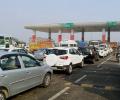
Fintech giant Paytm claimed it is selling more FASTags than all the banks put together on a daily basis.
The added burden on manufacturers for recycling e-waste is expected to impact their margins, which may further lead them towards hiking prices of other items.

While the company did not reveal its profit or loss for the period, according to its fillings, food and beverages was the largest category - accounting for 62.23 per cent or Rs 5,184 crore of its total sales.
 © 2026 Rediff.com - Investor Information - Advertise with us - Disclaimer - Privacy Policy - Sitemap - Feedback - About us - Terms of use - Grievances